—
VOL. 01Real-Time Voice AI & AI Systems
2025–2026·Independent build
Aurora — A phone-first AI field assistant for industrial guidance
● ≈500 MS REPORTED VOICE RESPONSE

Aurora

A phone-first AI field assistant for industrial guidance

Aurora is a phone-based AI field assistant designed to give industrial workers quick access to procedural guidance without requiring a dedicated app. The system connects a Twilio voice flow to a FastAPI backend, hosted LLM inference, persistent conversation data, and a supervisor dashboard for monitoring and takeover.

SYSTEM BOTTLENECK & ENGINEERING CHALLENGE

Phone conversations are sensitive to latency: long pauses make voice assistants difficult to use, especially when a worker’s hands are occupied. The system also needs a route for supervisors to review conversations and intervene when automated guidance is insufficient.

Voice Response≈500ms end to end
Success Rate99.7%
Concurrency15+ concurrent calls
Engineering RoleLead AI Systems Architect
Context / ClientIndependent build
Delivery Cadence2025–2026
System DomainReal-Time Voice AI & AI Systems
[ PRODUCTION STACK ]
#Python#FastAPI#Twilio Voice#Cerebras inference#Llama model family#Firebase Realtime Database#Docker#React dashboard
[ SUBSYSTEM PIPELINE FLOW ]
Incoming Phone Call (PSTN)──►Twilio Speech Capture──►FastAPI Orchestration──►Cerebras-Hosted Llama Inference──►Voice Response + Supervisor Takeover
[ KEY ENGINEERING DECISIONS & TRADE-OFFS ]
Low Latency vs Response Depth

A short, direct response path is easier to use over the phone, but safety-critical answers still need boundaries, escalation paths, and human review.

Automation vs Accountability

Autonomous handling reduces routine operator workload; supervisor monitoring and call takeover preserve a human intervention path.

[ DELIVERED PRODUCTION MILESTONES ]
  • Combines telephony, model inference, conversation storage, and supervisor oversight in one documented project.
  • The README reports approximately 500 ms average response time alongside success-rate and concurrency figures.
VOL. 02Developer Tooling & Generative AI
2026·Built for Lingo.dev Multilingual Hackathon
PushNotes — AI-generated release notes with multilingual output and a code-change knowledge graph
● 10 LANGUAGES · NO LOGIN

PushNotes

AI-generated release notes with multilingual output and a code-change knowledge graph

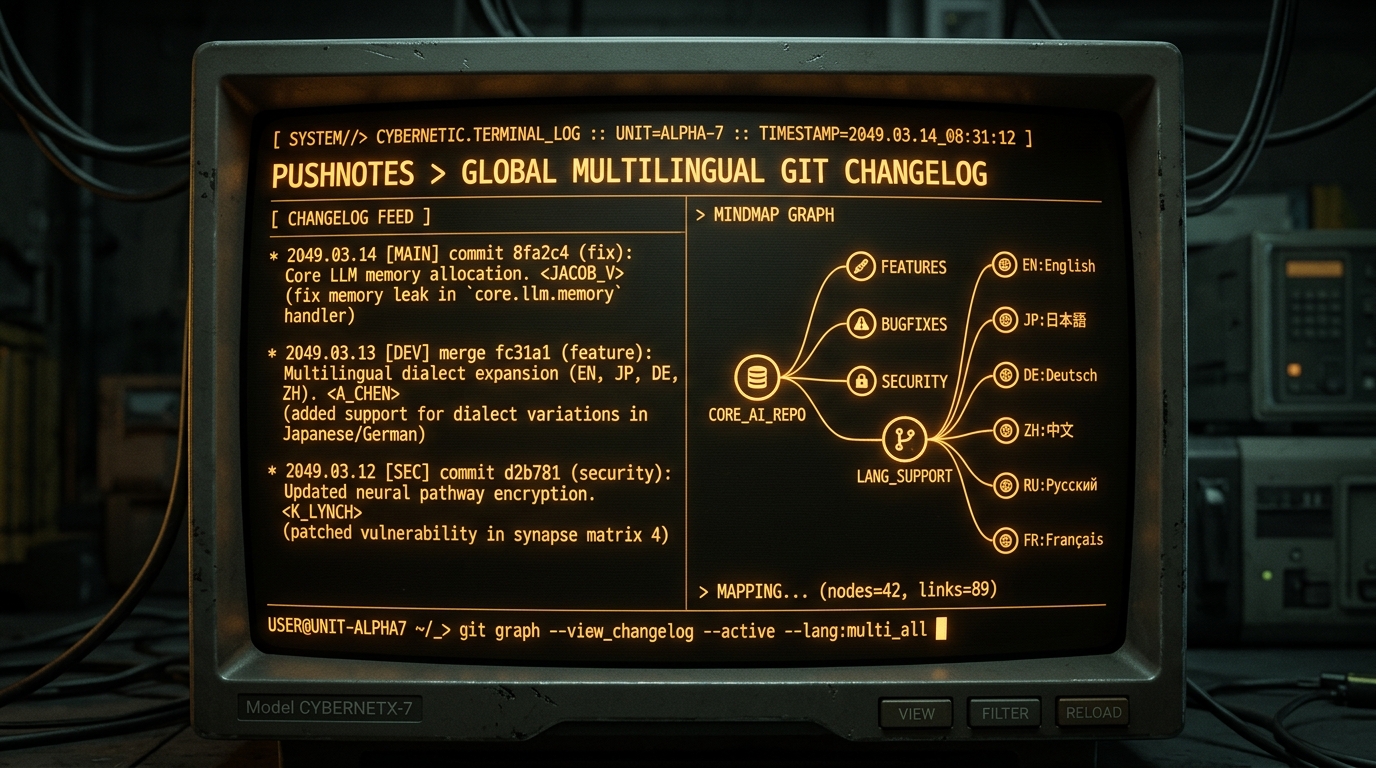
PushNotes turns a public GitHub repository’s commit and file-diff history into structured release notes. It can translate the notes into 10 languages and visualize changed files in an interactive knowledge graph so both developers and non-technical teammates can understand what changed and where risk may be concentrated.

SYSTEM BOTTLENECK & ENGINEERING CHALLENGE

Commit messages often omit context, group unrelated changes poorly, and are difficult for non-engineers or multilingual teams to interpret. Summarizing messages alone can reproduce the same vagueness, so the pipeline uses file-diff context rather than relying only on commit titles.

Multilingual Output10 Languages
Onboarding FrictionZero (No Login)
Generation Speed10–20s
Engineering RoleCreator & Lead Engineer
Context / ClientBuilt for Lingo.dev Multilingual Hackathon
Delivery Cadence2026
System DomainDeveloper Tooling & Generative AI
[ PRODUCTION STACK ]
#TypeScript#Next.js 15#Google Gemini 2.5 Flash#Lingo.dev SDK#Neon Serverless Postgres#React Flow#GitHub Public API
[ SUBSYSTEM PIPELINE FLOW ]
Public Repository URL──►GitHub API Commit & Patch Fetch──►Gemini 2.5 Structured Changelog──►Lingo.dev Translation & Neon Cache──►React Flow Interactive Knowledge Graph
[ KEY ENGINEERING DECISIONS & TRADE-OFFS ]
Low-Friction Access vs API Limits

The public-repository flow avoids OAuth onboarding, but GitHub API rate limits still matter; the pipeline caches responses to respect rate limits with an optional token.

Immediate Response vs Persistence

Changelog generation returns before background persistence finishes, with client-side retry handling for freshly generated results.

Translate on Demand vs Cache

First-time translation incurs work; storing each locale in Neon Postgres eliminates repeat translation calls when switching languages.

[ DELIVERED PRODUCTION MILESTONES ]
  • Provides an open-source workflow for release summaries, multilingual reading, and visual exploration of code changes.
  • The repository README provides instructions for local execution and preserves free API limits.
VOL. 03Computer Vision & 3D Kinematics
2026·Open-source project
vid2anim — AI motion capture and 3D character retargeting from ordinary video
● 60+ FPS CPU MOCAP STUDIO

vid2anim

AI motion capture and 3D character retargeting from ordinary video

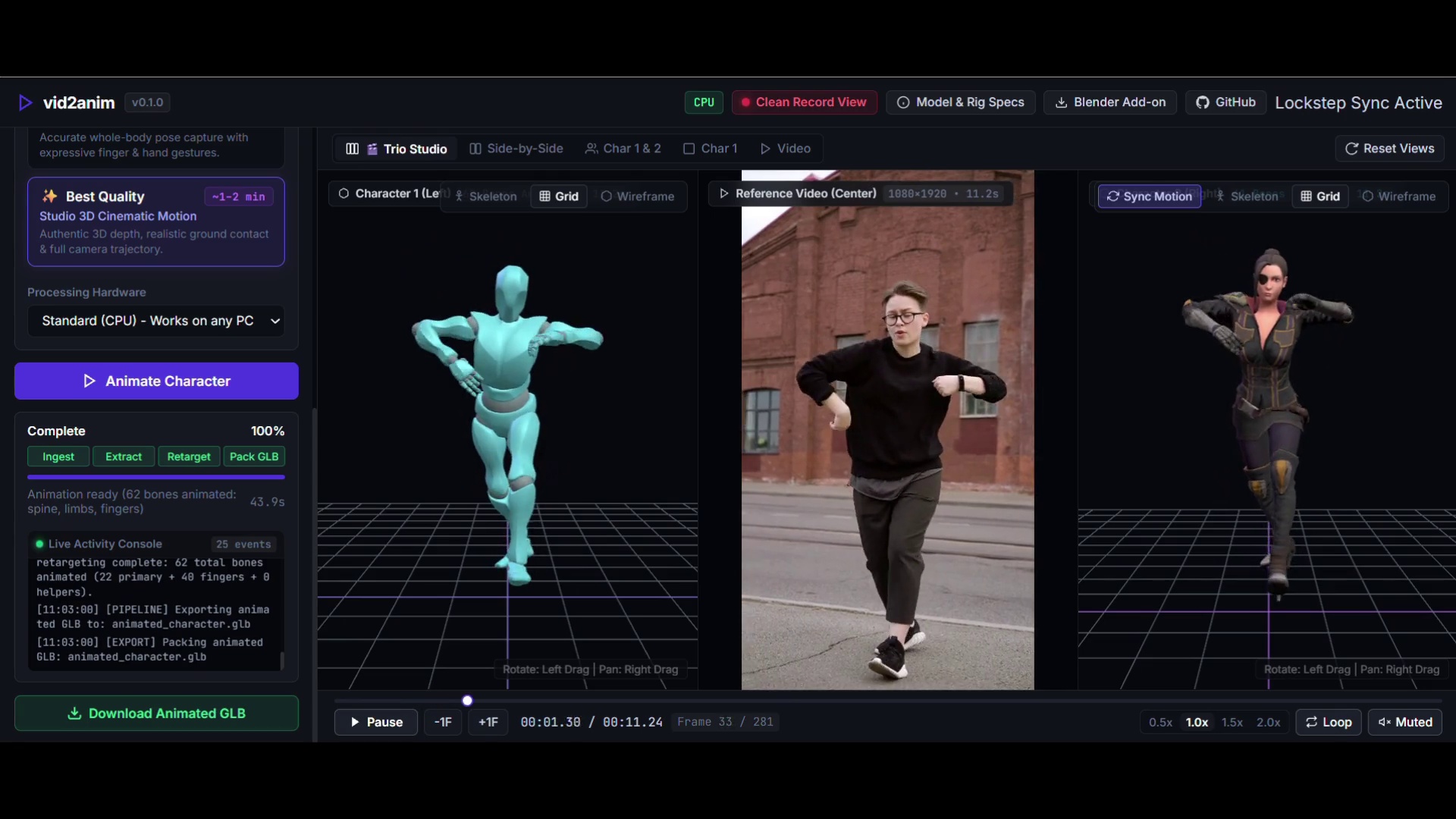
vid2anim is an open-source AI motion-capture studio that converts ordinary video footage into 3D character animation. Its adaptive tracking pipeline spans a lightweight CPU-friendly MediaPipe path and higher-fidelity pose/body-recovery options, then maps motion to common character rigs. The project includes a web-based 3D studio and a Blender add-on for working with generated animation.

SYSTEM BOTTLENECK & ENGINEERING CHALLENGE

Turning monocular video into useful 3D animation requires more than detecting pose landmarks. The system must estimate motion over time, preserve root displacement, reduce jitter and foot sliding, and map the resulting skeleton onto rigs that use different bone names and hierarchies. A practical tool also needs a useful CPU path rather than assuming every user has a high-end GPU.

CPU Mocap Speed60+ FPS on CPU
Automated Tests57 Passing Suites
Target RigsMixamo, VRM, UE5, Rigify
Engineering RoleCreator & Lead Architect
Context / ClientOpen-source project
Delivery Cadence2026
System DomainComputer Vision & 3D Kinematics
[ PRODUCTION STACK ]
#Python#Blender API#MediaPipe#DWPose WholeBody#GVHMR (SMPL-X)#Three.js#glTF 2.0#BVH
[ SUBSYSTEM PIPELINE FLOW ]
Async Video Frame Decoder──►Adaptive Pose (MediaPipe / DWPose / SMPL-X)──►Motion Sequence Reconstruction──►Stance & Root-Motion Solver──►Rig Retargeting & glTF/Blender Export
[ KEY ENGINEERING DECISIONS & TRADE-OFFS ]
CPU Speed vs Motion Fidelity

MediaPipe makes a low-compute workflow practical (60+ FPS on CPU); heavier tracking and SMPL-X recovery provide additional body detail at a higher computational cost.

Landmark Motion vs Usable Animation

Raw per-frame pose estimates can jitter or slide at the feet, so motion processing, stance detection, and ground-contact resolution are treated as separate engineering concerns.

Universal Rig Support vs Mapping Complexity

Supporting different rigs requires explicit topology and naming logic rather than assuming a single skeleton convention.

[ DELIVERED PRODUCTION MILESTONES ]
  • Provides an open-source video-to-animation workflow with CPU-based tracking, optional higher-compute engines, and multiple export/authoring paths.
  • The project reports 60+ FPS for its CPU MediaPipe path and 57 passing test suites.
  • The repository documents the Blender add-on, web studio, tracking engines, rig-target support, and export workflow.
VOL. 04Developer Tooling & Open Source
2024–2026·Published npm package
AgentDraw Canvas — A modular canvas studio with programmatic controls for AI agents
● 13 MODULES · 40+ SHAPES

AgentDraw Canvas

A modular canvas studio with programmatic controls for AI agents

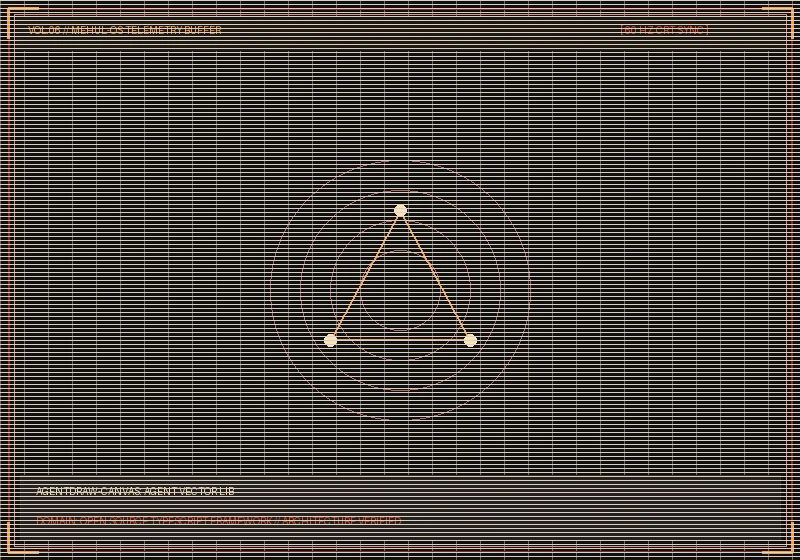
AgentDraw Canvas is a modular drawing and whiteboard library built on Konva.js. It provides programmatic shape creation and editing, a plugin system for custom shapes and tools, and an agent-oriented API intended to make visual state easier for software agents to inspect and manipulate.

SYSTEM BOTTLENECK & ENGINEERING CHALLENGE

Most canvas tools are designed around mouse and touch input. A code-driven agent needs stable commands for creating, updating, animating, and deleting elements, plus a predictable way to extend the toolset without rewriting the library.

Architecture13 ES Modules
Shape Library90+ Shapes 20 Anims
AdoptionPeak 151 weekly downloads
Engineering RoleCreator & Maintainer
Context / ClientPublished npm package
Delivery Cadence2024–2026
System DomainDeveloper Tooling & Open Source
[ PRODUCTION STACK ]
#TypeScript#Konva.js#HTML Canvas#ES Modules#npm#Plugin API
[ SUBSYSTEM PIPELINE FLOW ]
Agent or UI High-Level Action──►Deterministic Shape Operations──►Modular CanvasStudio API──►Konva.js Scene Graph & Nodes──►Interactive Browser Studio
[ KEY ENGINEERING DECISIONS & TRADE-OFFS ]
Reuse vs Dependency Minimization

Konva.js accelerates rendering and scene-graph interaction, while the library architecture remains strictly modular.

Built-in Features vs Extensibility

A broad default shape/tool set improves out-of-the-box utility, while the plugin API keeps specialized behavior out of the core.

Human-First UI vs Agent Control

The studio retains conventional canvas interactions while exposing deterministic programmatic operations for software agents.

[ DELIVERED PRODUCTION MILESTONES ]
  • Published as an npm-installable library with public documentation and a hosted project page.
  • The README documents modular architecture, built-in shapes and animations, and extension APIs.
VOL. 05Applied Machine Learning & FinTech
2025·Independent applied ML project
Credit Risk Modeling — A recall-oriented loan default prediction workflow
● IMBALANCE · LEAKAGE CHECKS

Credit Risk Modeling

A recall-oriented loan default prediction workflow

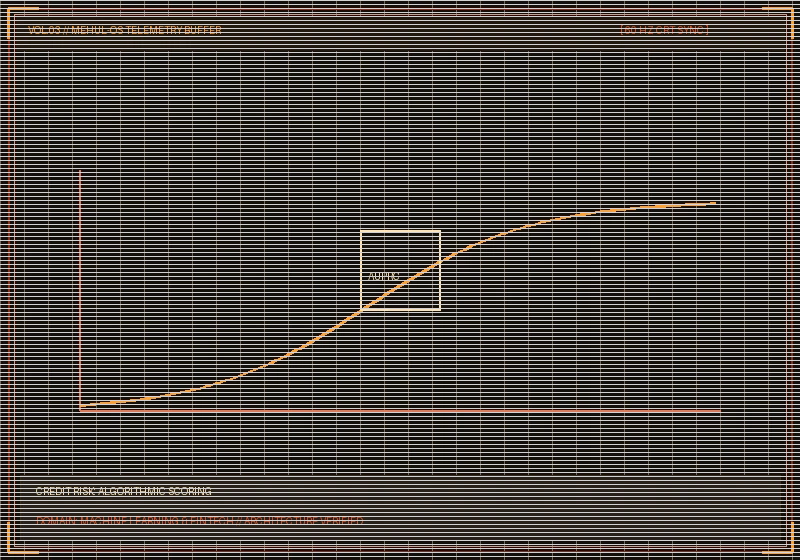
This project builds a loan-default prediction workflow around data cleaning, domain-driven features, imbalance handling, and a Streamlit interface. The modeling objective prioritizes identifying risky borrowers rather than optimizing headline accuracy on an imbalanced dataset.

SYSTEM BOTTLENECK & ENGINEERING CHALLENGE

When defaults are rare, a model can achieve strong accuracy while missing the cases that matter most. Credit-risk modeling also requires careful handling of data leakage, implausible records, correlated features, and the operational consequences of false negatives.

Imbalance HandlingSMOTE-Tomek & Tuning
Leakage ControlsAudited fee fields
Reported ScoreRecall 0.96 · AUC 0.98
Engineering RoleML Engineer
Context / ClientIndependent applied ML project
Delivery Cadence2025
System DomainApplied Machine Learning & FinTech
[ PRODUCTION STACK ]
#Python#pandas#scikit-learn#Logistic Regression#XGBoost#Optuna#SMOTE-Tomek#WoE / IV#Variance Inflation Factor#Streamlit
[ SUBSYSTEM PIPELINE FLOW ]
Borrower & Loan Records Ingestion──►Data Cleaning & Leakage Review──►Domain Feature Engineering (LTI / DPD)──►SMOTE-Tomek & Recall-Tuned Threshold──►Interactive Streamlit Risk Inspector
[ KEY ENGINEERING DECISIONS & TRADE-OFFS ]
Overall Accuracy vs Default Recall

A lower decision threshold catches more defaults to reduce catastrophic financial loss, accepting trade-offs in false positives.

Feature Richness vs Leakage Risk

Derived features capture repayment behavior, but every feature must be strictly available at the time of lending approval.

Model Complexity vs Reviewability

Tree-based models improve nonlinear fit, while feature analysis and clear evaluation reporting help stakeholders inspect the result.

[ DELIVERED PRODUCTION MILESTONES ]
  • Delivers a documented modeling workflow and hosted interactive app for loan-default prediction.
  • Focuses evaluation on catching defaults and avoiding false-negative exposure.
VOL. 06Predictive Analytics & Applied ML
2024–2025·Independent applied ML project
Health Insurance Premium Prediction — Segment-aware regression for insurance cost estimation
● AGE-SPLIT MODELS · STREAMLIT

Health Insurance Premium Prediction

Segment-aware regression for insurance cost estimation

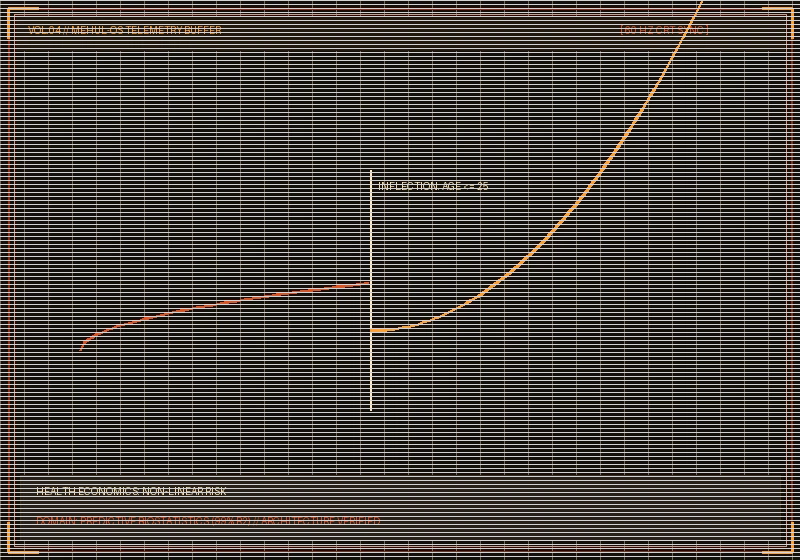
The project predicts health-insurance premiums and uses error analysis to identify different model behavior across age groups. Instead of forcing one estimator to fit every cohort, it trains a linear regression model for younger users and an XGBoost regressor for users over 25, then exposes predictions through a Streamlit application.

SYSTEM BOTTLENECK & ENGINEERING CHALLENGE

A single aggregate score can hide systematic errors for a subgroup. The project’s reported baseline fit the overall data well but produced much larger errors for younger users, so the modeling design was changed to account for the age split.

Model DesignDual segment estimators
Reported FitR² up to 0.99
DeploymentInteractive Streamlit
Engineering RoleML Engineer / Data Science Researcher
Context / ClientIndependent applied ML project
Delivery Cadence2024–2025
System DomainPredictive Analytics & Applied ML
[ PRODUCTION STACK ]
#Python#pandas#scikit-learn#Linear Regression#XGBoost Regressor#RandomizedSearchCV#Feature Engineering#Streamlit
[ SUBSYSTEM PIPELINE FLOW ]
Demographic & Insurance Records──►Residual & Subgroup Error Analysis──►Age-Based Routing (Age ≤ 25 vs > 25)──►Dual Estimators (Linear Regression & XGBoost)──►Interactive Streamlit Scenario Explorer
[ KEY ENGINEERING DECISIONS & TRADE-OFFS ]
Single Model vs Segment Models

Separate estimators improve subgroup fit across non-linear age curves, but require routing logic and independent validation.

Aggregate Metric vs Subgroup Error

Evaluates segment metrics and residuals directly rather than relying on overall R² as generic accuracy.

Feature Enrichment vs Data Quality

Additional risk features improve fit, but definitions and availability must be documented to avoid leakage.

[ DELIVERED PRODUCTION MILESTONES ]
  • Includes notebooks for model development, segment-specific models, evaluation artifacts, and a live Streamlit demo.
  • Demonstrates segment-specific residual analysis with a Streamlit interface for scenario testing.
VOL. 07Applied Machine Learning & Data Analytics
2022·Independent project
Maharashtra House Price Prediction — An end-to-end regional property-price modeling prototype
● END-TO-END ML · STREAMLIT

Maharashtra House Price Prediction

An end-to-end regional property-price modeling prototype

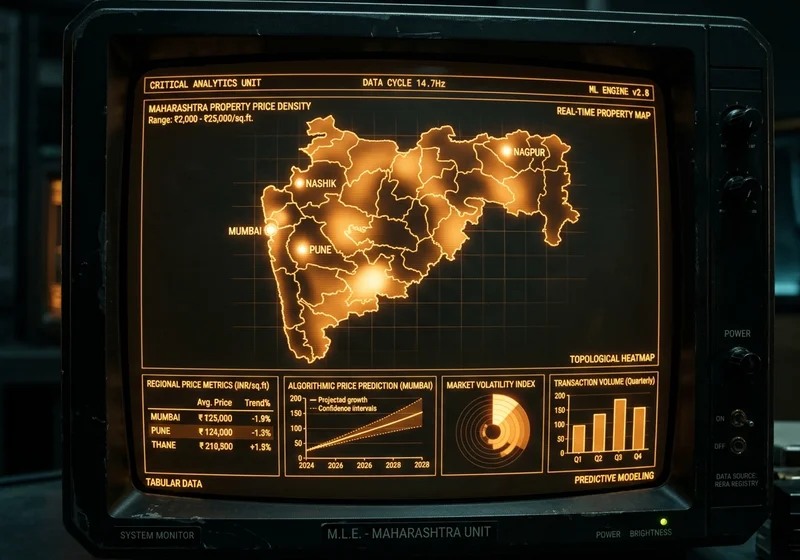
This project explores property-price prediction across Maharashtra using regional and property-related inputs. The repository documents preprocessing, exploratory analysis, feature handling, model comparison, and a Streamlit prediction interface—an end-to-end workflow from data preparation to user-facing inference.

SYSTEM BOTTLENECK & ENGINEERING CHALLENGE

Housing data is heterogeneous: location, property size, amenities, and categorical variables can influence prices in different ways. A useful prototype must turn inconsistent records into model-ready inputs and expose predictions in an interface that non-technical users can test.

ScopeEnd-to-End Lifecycle
DeploymentStreamlit Web App
WorkflowNotebooks + Estimators
Engineering RoleCreator
Context / ClientIndependent project
Delivery Cadence2022
System DomainApplied Machine Learning & Data Analytics
[ PRODUCTION STACK ]
#Python#pandas#matplotlib#scikit-learn#Jupyter Notebook#Streamlit
[ SUBSYSTEM PIPELINE FLOW ]
Regional Property Records Ingestion──►Data Cleaning & Outlier Treatment──►Exploratory Distribution Analysis──►Scikit-Learn Model Comparison Pipeline──►Streamlit Prediction Web Application
[ KEY ENGINEERING DECISIONS & TRADE-OFFS ]
Fast Prototype vs Regional Generalization

A working demo enables rapid exploration, while regional variance across locations and market cycles requires validation on held-out geographic splits.

Flexible Input Fields vs Data Consistency

User-friendly inputs simplify the interface, but categorical units must match the model's training pipeline.

Model Score vs Useful Prediction

Model metrics are expressed in meaningful price units alongside baselines and clear data splits.

[ DELIVERED PRODUCTION MILESTONES ]
  • Public repository and app demonstrate an end-to-end ML prototype covering analysis, training, and deployment.
  • Provides an inspectable end-to-end prototype, from data exploration and model comparison to Streamlit inference.
VOL. 08Computer Vision & Assistive Human–Computer Interaction
2024–2025·Two IJNRD publications, March 2025
Eye-Tracking Virtual Typing — Hands-free text entry using gaze selection and intentional blink detection
● 2 PUBLICATIONS · ASSISTIVE HCI

Eye-Tracking Virtual Typing

Hands-free text entry using gaze selection and intentional blink detection

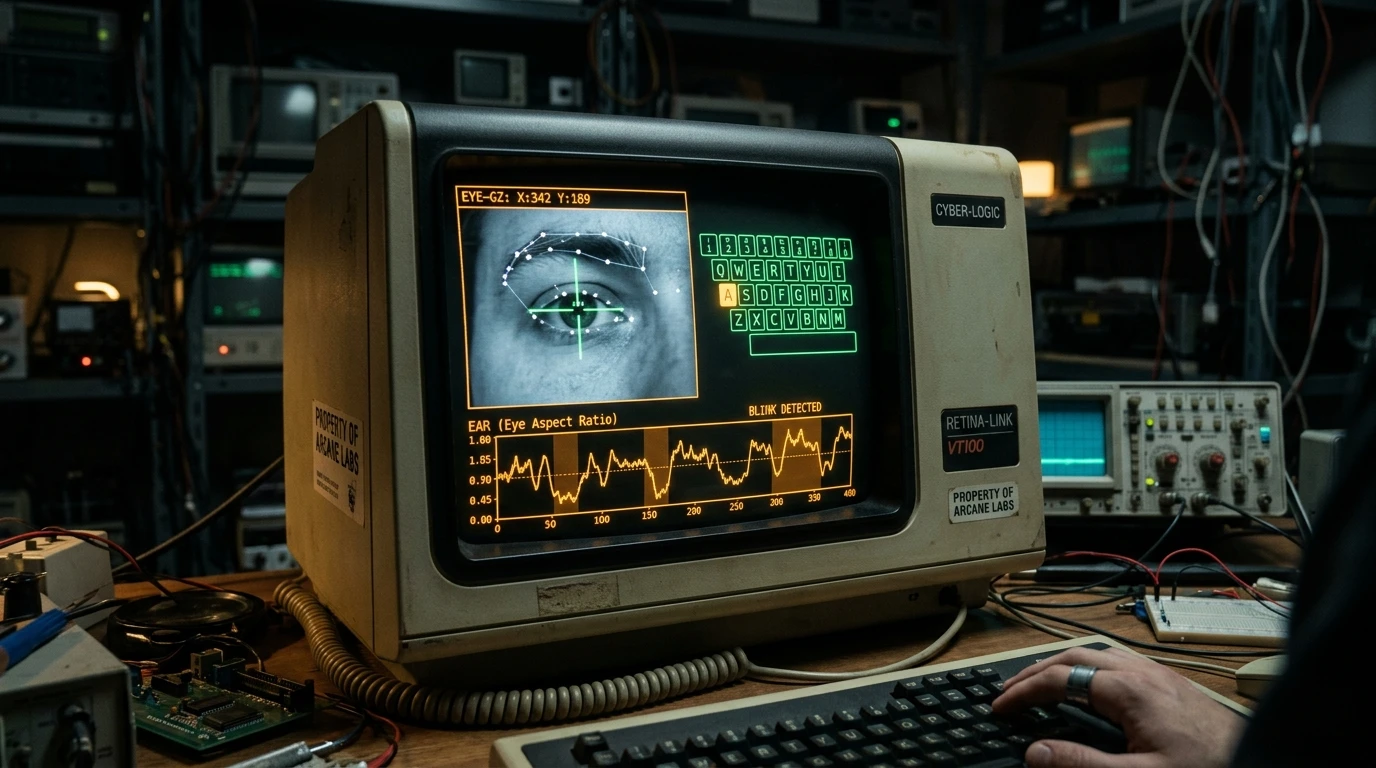
This assistive-computing project explores hands-free virtual typing with a standard webcam. Eye movement is used to navigate a virtual keyboard and a deliberate blink confirms a selection; the system also integrates text-to-speech. The work is documented in a project paper and a related review of eye-tracking calibration techniques.

SYSTEM BOTTLENECK & ENGINEERING CHALLENGE

Gaze-based input must distinguish intended selection from normal eye movement and involuntary blinking. Expensive dedicated gaze-tracking hardware can be a barrier, so the project investigates a webcam-based approach with calibration and temporal blink rules.

Research Papers2 IJNRD research Publications
InteractionGaze + Blink Filter
Accuracy91% in ideal conditions
Engineering RoleCo-author / Vision-System Contributor
Context / ClientTwo IJNRD publications, March 2025
Delivery Cadence2024–2025
System DomainComputer Vision & Assistive Human–Computer Interaction
[ PRODUCTION STACK ]
#Python#OpenCV#Dlib facial landmarks#Eye Aspect Ratio (EAR)#Virtual Keyboard#Text-to-Speech
[ SUBSYSTEM PIPELINE FLOW ]
Consumer RGB Webcam Feed──►Dlib 68-Point Facial Landmark Mesh──►Gaze Mapping into Virtual Keyboard Coordinates──►Eye Aspect Ratio (EAR) Blink Confirmation──►Hands-Free Text Concatenation & TTS
[ KEY ENGINEERING DECISIONS & TRADE-OFFS ]
Low Hardware Cost vs Precision

A consumer webcam eliminates expensive specialized infrared hardware, while requiring calibration to handle ambient lighting shifts.

Natural Blinks vs Selection Intent

Temporal Eye Aspect Ratio (EAR) filtering separates natural biological blinks from deliberate gaze selections.

Fixed Calibration vs User Variation

Dynamic calibration adjusts for individual ergonomic range and head orientation.

[ DELIVERED PRODUCTION MILESTONES ]
  • Published two papers in IJNRD (March 2025) covering assistive gaze typing and calibration techniques.
  • Documents a webcam-based assistive-typing approach that combines gaze navigation, blink confirmation, and optional speech output.

Mehul Ligade

AI ARCHITECT · APPLIED ML · GENERATIVE AI · AI COST OPTIMIZATION

Career Log & Engineering CV — Mehul Ligade, AI Architect

mehulligade@pune:~$ git log --graph --decorate --all career/[ 5 milestones · 5 branches · HEAD: LearningPad ]
EXECUTIVE PROFILEUPDATED 2026

Production AI Systems & Applied ML Architecture

Specializing in constraints where off-the-shelf AI fails: sub-500ms real-time voice telephony, edge model quantization on budget hardware, and 94% cost-reduction pipelines at 50,000+ user scale.

  1. commit #a11b25branch: main● ACTIVE // HEAD
    📅 Jun 2025 — Present📍 Hyderabad, Telangana

    LearningPad

    AI Engineer · LearningPad, Hyderabad · Jun 2025 — Present

    VERIFIED PRODUCTION IMPACT94% Cost Reduction · 50k+ Students

    Leading end-to-end AI product development and multi-agent pipeline orchestration for an educational platform serving 50,000+ students. Overhauled LLM routing, prompt compression, and automated high-throughput media generation workflows.

    • Reduced per-unit AI cost from Rs. 350 to Rs. 20 (94% cost reduction)
    • Automated content and audio generation using multi-agent workflows
    • Built an agentic QA system for production validation and per-request cost monitoring
    • Scaled infrastructure across 50,000+ active learners with 98% query efficiency
  2. commit #f7a301branch: oss (open-source)
    📅 2026📍 Global / GitHub

    vid2anim Studio

    Creator & Lead Architect · Open Source Tooling · 2026

    VERIFIED PRODUCTION IMPACTTriple AI Engines · 57 Tests Passed

    Architected and released vid2anim, an AI motion capture and universal 3D character retargeting studio converting video into production animations for Blender, Unreal Engine, and Mixamo.

    • Engineered triple tracking engine suite (MediaPipe, DWPose, GVHMR/SMPL-X)
    • Universal rig retargeting for Mixamo, VRM, Blender Rigify, and UE5 Mannequins
    • Native Blender add-on and browser-based Three.js 3D Web Studio
    • 57 passing tests and 100% CPU-compatible execution
  3. commit #c0b024branch: freelance
    📅 2024 — 2025📍 Remote

    Freelance: AI Voice Call Agents

    Lead Voice AI Architect · Freelance · 2024 — 2025

    VERIFIED PRODUCTION IMPACT<500ms Latency

    Architected and deployed production real-time full-duplex conversational AI voice calling systems. Engineered low-latency telephony integration handling concurrent live telephone calls.

    • Sub-500ms end-to-end latency for natural bidirectional phone conversations
    • Full-duplex WebSocket architecture with streaming Voice Activity Detection (VAD)
    • Parallelized speculative LLM reasoning and sentence-level streaming TTS
    • Integrated Twilio SIP trunking and live call monitoring supervisor
  4. commit #d07e24branch: research
    📅 2024 — 2025📍 Pune, Maharashtra

    Assistive Eye-Tracking Research

    Computer Vision Researcher · Published in IJNRD · 2024 — 2025

    VERIFIED PRODUCTION IMPACTIJNRD Research Paper

    Researched and engineered hands-free eye-tracking virtual typing systems for individuals with motor disabilities. Published research papers in IJNRD (ISSN: 2456-4184).

    • Published paper 'Enhanced Eye-Tracking Technology for Hands-Free Virtual Typing' in IJNRD
    • Co-authored review on advanced calibration techniques in eye-tracking for assistive technology
    • Implemented real-time facial landmark eye centroid tracking using OpenCV and Dlib
    • Engineered Eye Aspect Ratio (EAR) duration thresholding filter to eliminate involuntary blink misfires
  5. commit #b0b522branch: intern
    📅 Oct 2022 — Apr 2023📍 Pune, Maharashtra

    Mass Technologies

    ML & Computer Vision Intern · Mass Technologies, Pune · Oct 2022 — Apr 2023

    VERIFIED PRODUCTION IMPACT15% Accuracy Boost

    Trained and evaluated computer vision defect detection pipelines using YOLOv5 on industrial hardware. Processed a 10,000+ image dataset to automate solar panel manufacturing inspection.

    • Improved solar panel defect detection accuracy by 15% using YOLOv5
    • Trained models across 10,000+ industrial thermal and optical defect images
    • Implemented automated preprocessing, annotation validation, and evaluation pipeline

03 / profile.sysPUNE, IN · AVAILABLE FOR GLOBAL IMPACT

I build production AI systems where something real is at stake.

Focus & Systems Approach

Tight budgets, no internet, live phone calls — constraints that make the standard solution impossible are where I do my best work. I’m Mehul Ligade, working across applied machine learning, generative AI, computer vision, and developer tooling. I focus on problems where the model is only one part of the solution: messy inputs, latency constraints, evaluation trade-offs, deployment details, and interfaces that people can actually use.

Principles & Engineering

I turn experiments into usable tools, measure trade-offs, and share the engineering lessons through open-source work, research, and technical writing. Documenting decisions so other engineers understand not only what a system does, but why it is built that way: evidence over inflated metrics, systems over isolated demos, and reproducible benchmarks.

6 CRCopyrights
1 PATPatent
1 PUBChapter
SPPUHonours

AI Systems
Architect

I architect the resilient systems around the model call: asynchronous inference queues, strict schema validation, intelligent caching, and fault isolation. Built default-risk classification pipelines with SMOTE-Tomek and WOE binning, engineered dual-segment regression estimators with residual error analysis, and deployed modular microservice backends that withstand messy inputs and traffic surges.

SMOTE-TomekDual EstimatorsFastAPIDockerKafkaPostgreSQL

Voice Agent
Engineer

Engineering phone-first conversational assistants that deliver ≈500ms end-to-end voice latency over standard phone networks without requiring dedicated apps. Creator of Aurora: connecting regular telephony to Cerebras-hosted fast Llama models, FastAPI orchestration, Firebase state persistence, and a real-time supervisor dashboard managing 15+ concurrent calls with instant human intervention takeover.

≈500ms Voice ResponseTwilio TelephonyCerebras Llama15+ Concurrent CallsFirebase RTDBFastAPI

Vision & 3D
Kinematics

Extracting 3D human motion and gaze from standard commodity webcams without dedicated infrared sensors or GPU dependencies. Creator of vid2anim running 60+ FPS CPU motion capture with 57 automated test suites, dedicated ground-contact/stance solvers, and retargeting to Mixamo, VRM, and UE4/5; published 2 peer-reviewed IJNRD research papers on hands-free eye-gaze typing with EAR temporal blink detection.

60+ FPS CPU Mocap57 Test Suites2 IJNRD PapersMediaPipeOpenCVBlender Rigify

Developer Tooling
& GenAI

Building developer-facing libraries and agent-oriented canvas workspaces. Architect of PushNotes (turning Git diffs into structured changelogs across 10 languages with interactive React Flow dependency graphs and 0-login friction) and AgentDraw Canvas (a published npm library with 13 modular ES packages, 40+ shapes, and a deterministic programmatic API allowing autonomous AI agents to manipulate visual state).

10 Languages13 ES Modules40+ Shapesnpm PublishedGemini 2.5 FlashKonva.js

How I Work

AI Accelerates.
I Drive The Architecture.

Architect, observe, govern: three pillars for deploying deterministic AI systems into high-throughput production.

Engineering Discipline

Agents Execute.
I Architect.

Follow the engineering flow

01/Frame & Validate

I Architect. I Verify.

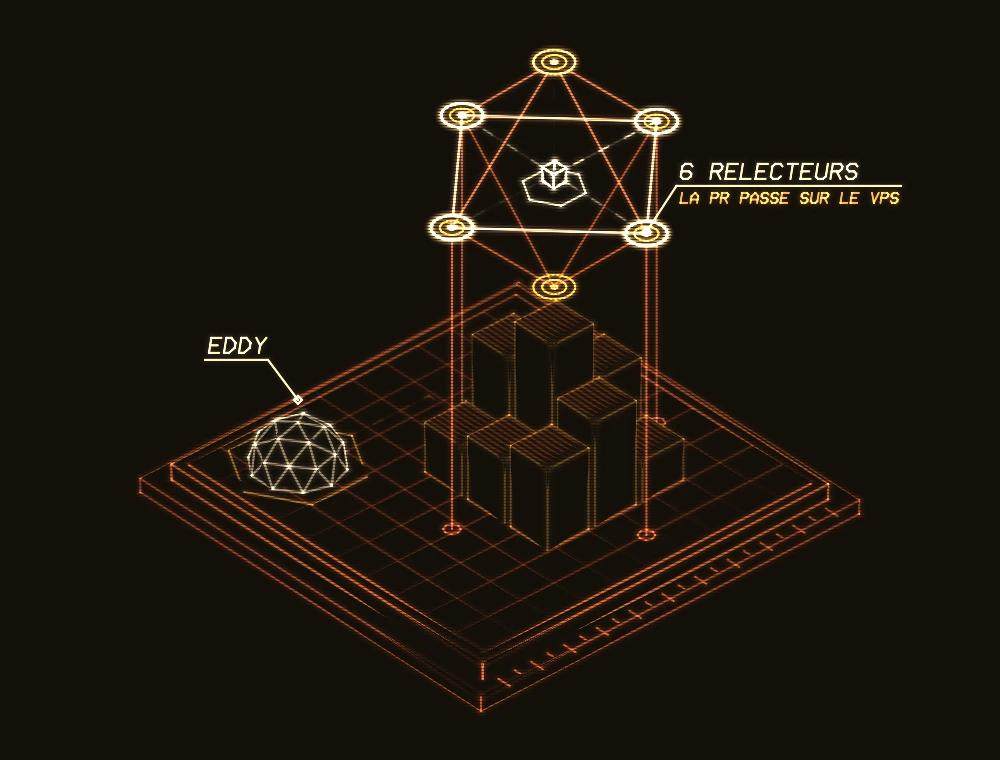
I never use AI models for blind generation. I rigorously frame the problem space, define strict state schemas, and construct deterministic pipeline DAGs. Autonomous agents explore the codebase, benchmark alternatives, generate exhaustive test suites, and draft reproducible docs. Automated validation hooks trigger at every boundary before any pull request is merged into production.

Claude 3.7 Sonnet · GPT-4oStrict JSON SchemaPytest / E2ELinear / Git

Frame & Validate Engineering Architecture

02/Telemetry & Streaming

Empirical Proof. Low Latency.

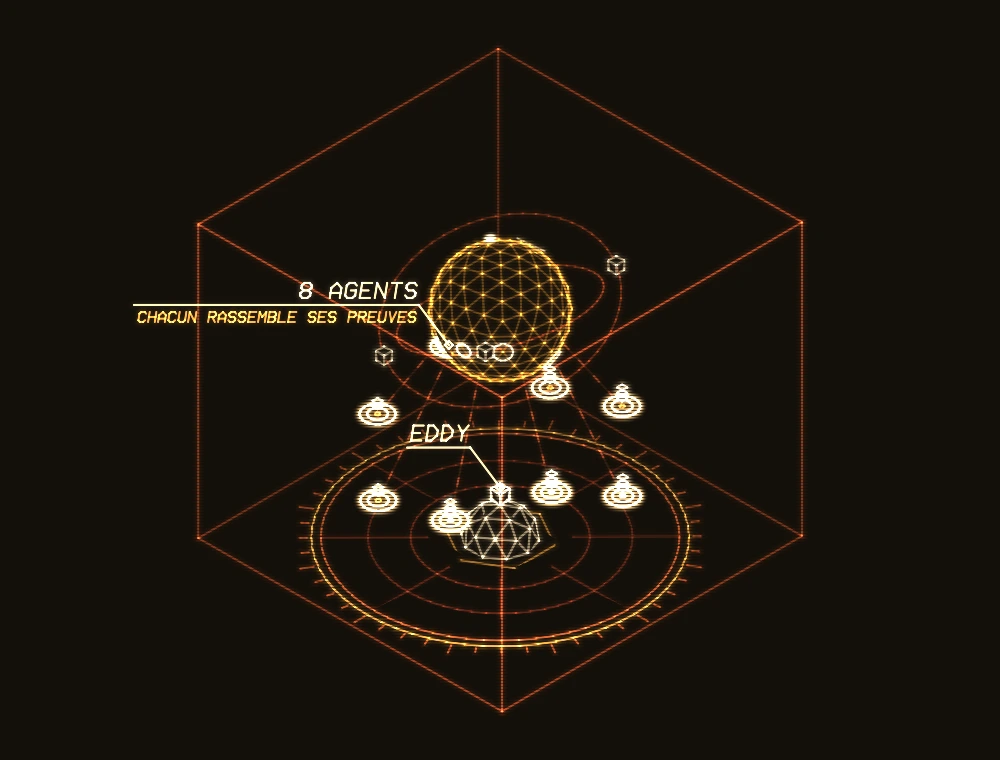
Telemetry is non-negotiable. I integrate end-to-end tracing across every LLM call, vector retrieval query, and audio stream packet. Real-time dashboards monitor sub-500ms time-to-first-token (TTFT), token consumption, audio packet jitter, and fallback trigger rates. Every anomaly is captured immediately with structured logs.

LangSmith · Arize PhoenixPrometheus · GrafanaOpenTelemetrySelf-Hosted

Telemetry & Streaming Architecture

03/Execution with Strict Guardrails

Deterministic Paths. Fail-Safe.

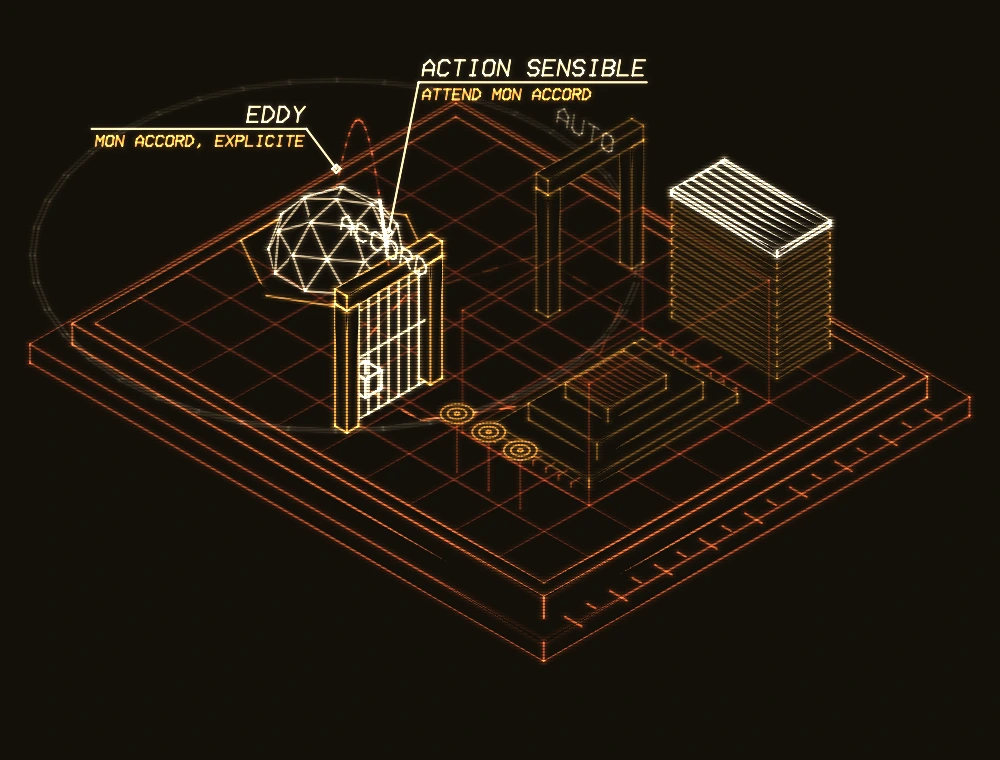
Bounded, read-only tasks run autonomously; state-mutating operations require cryptographic verification and explicit human approval. Agents have least-privilege API tokens with per-service scoped credentials; reasoning runs isolated in sandbox runners with transactional state rollbacks. AI augments speed and scale; human judgment guarantees system resilience.

Human-in-the-LoopLeast-Privilege ScopesIsolated WorkersAudit Ledgers

Guardrails & Security Architecture
Have a project to architect, scale or optimize?